

Why Brilliant Leaders Still Fail: IQ without EQ is a Leadership Liability
I learned one of the most important leadership lessons of my career three weeks into my first non-legal job leading a 70-person sales team.
I had just finished giving one of our account executives feedback after they missed quota. From my perspective, the conversation went well.
I was direct. Clear. Honest. We talked through the performance gap and what needed to change.
After our Zoom meeting wrapped, my sales director called me back.
“Jess... everything you said to the rep was right.”
Then he paused.
“But if you deliver feedback like that, this team will quit on you in no time.”
I remember feeling genuinely confused.
As a General Counsel, direct feedback wasn't just accepted, it was expected. We challenged ideas, debated positions, and focused on solving the problem.
Sales, as I learned, was different.
Missing quota wasn't just a performance issue. It was much more personal. This rep’s confidence was wavering. Trust hadn't yet been built between us.
And there I was solutioning, three weeks into a new leadership role, before I'd taken the time to understand the human being sitting across from me.
My teammate calling out a major blindspot of mine changed the trajectory of my career.
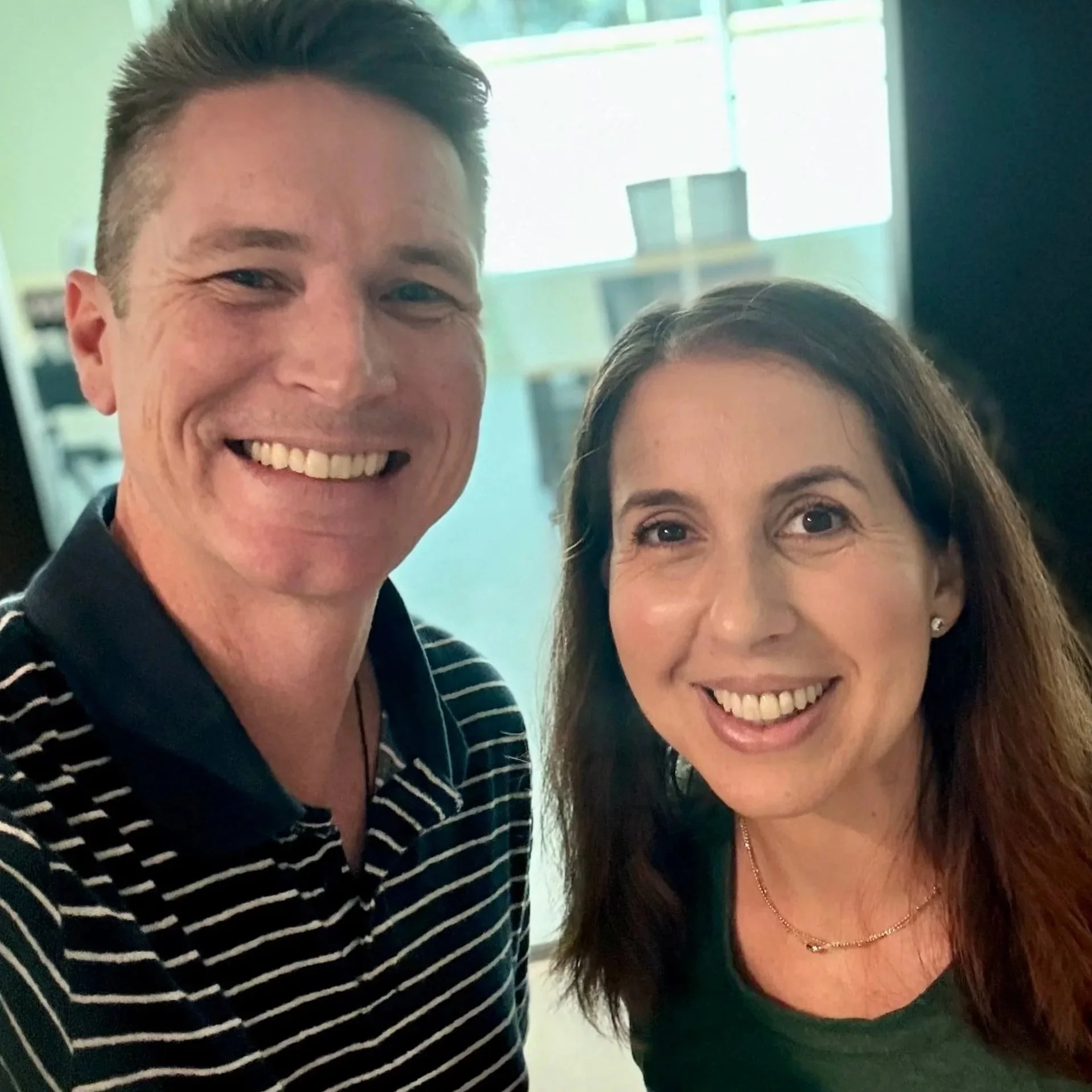
my former sales director and me
The IQ/EQ Interplay
Most high performers are promoted because of their IQ. They're analytical, decisive, quick to identify problems, and comfortable making hard calls.
Those strengths are valuable. And more effective when paired with emotional intelligence.
IQ tends to ask: “What's the problem?”
EQ asks: “What's happening here?”
Who's in the room? How will this land? What emotion is driving this behavior? What relationship am I strengthening or putting at risk with the next thing I say?
Both perspectives matter. And the strongest leaders know when to lean on each.
The EQi-2.0: Your Key to Unlocking Your Emotional Intelligence Map
Emotional intelligence isn't a personality trait. It's a leadership skill. One that can be measured, strengthened, and refined over time.
One of the reasons I love the EQ-i 2.0 (the gold standard of emotional intelligence assessments in the workplace) is that it doesn't simply tell you whether your EQ is ‘high’ or ‘low’. It gives critical insight into how others experience you and your leadership. And it shows you where you're strongest and where you have opportunities to grow.
Some leaders need to strengthen empathy. Others benefit from greater impulse control. Some need to become more comfortable with difficult conversations.
Others, like me, learn that delivering truth and delivering it impactfully are two different skills.
Awareness is where growth begins.
The Leadership Shift
Get introspective. Ask yourself:
What’s one leadership strength that's become so natural to you that it might also be creating a blind spot?
Then, challenge your first interpretation, with questions like:
How might someone with a different personality or communication style experience this strength?
What impact could my approach be having that I don’t intend?
What feedback have I dismissed because it didn’t align with how I see myself?
What might be true here that I haven’t yet considered?
Self-awareness requires more than knowing your strengths. It requires the willingness to question the story you tell yourself about how those strengths show up.
And if you prefer not to guess, remember that I offer the EQi-2.0 with a full 90-minute debrief with no coaching commitment required. I can’t tell you how much the assessment’s helped in my own leadership journey, and I’m happy to support yours too. Simply reply to this newsletter with the phrase ‘EQ’ and I’ll send you more info. :)
Bottom Line:
I still give direct feedback. Probably more than most. But now I ask myself a different question before I do.
Not, “Is this true?”
But, “Is this the way this person needs to hear it in order to grow?”
That's the difference between managing performance and developing people.
Sometimes our greatest strengths simply need greater balance.
To better,
— Jess